
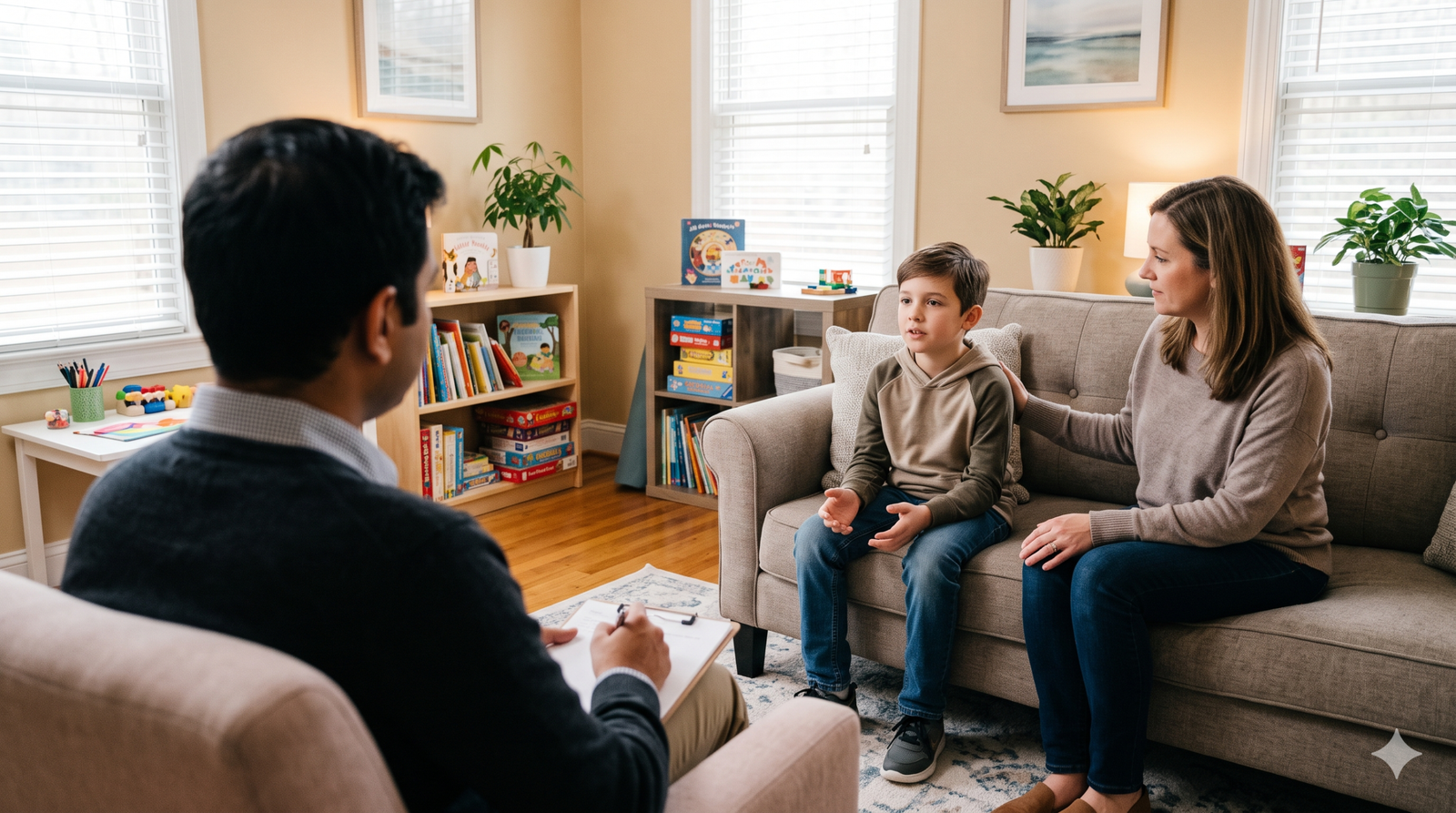
Child Psychiatrist in Charlotte NC
Children’s Anxiety: Signs Parents Should Not Ignore
Childhood anxiety is an important mental health concern for many families. School pressure, social challenges, friendship difficulties, social media experiences, and family changes may contribute to stress and anxiety in children and teenagers.
While occasional worry is a normal part of growing up, persistent anxiety can affect a child’s sleep, academic performance, relationships, and everyday activities. Recognizing the signs of anxiety early can help parents understand when their child may benefit from additional support.
What Are the Common Signs of Anxiety in Children?
Anxiety can affect children differently depending on their age, personality, and circumstances. Some children may openly express their worries, while others may show changes in their behavior or physical health.
Common signs of anxiety in children may include:
- Excessive worrying about school, family, friendships, or everyday situations
- Fear of being away from parents or caregivers
- Avoiding school or social activities
- Frequent headaches or stomachaches without an obvious medical explanation
- Irritability, emotional outbursts, or increased sensitivity
- Difficulty falling asleep or staying asleep
- Withdrawing from friends or activities they previously enjoyed
- Trouble concentrating or completing schoolwork
- Fear of making mistakes or disappointing others
These signs do not automatically mean a child has an anxiety disorder. However, when symptoms persist, cause significant distress, or interfere with daily life, professional guidance may be helpful.
What Causes Anxiety in Children and Teenagers?
Childhood anxiety can develop for several reasons. Often, a combination of personal, family, social, and environmental factors may contribute to a child’s worries.
Academic Pressure and Fear of Failure
School assignments, examinations, extracurricular activities, and expectations about academic performance may cause stress. Some children may become excessively worried about making mistakes or not meeting expectations.
Friendship Problems and Bullying
Peer pressure, conflicts with friends, social exclusion, and bullying can affect a child’s emotional well-being. Children who fear rejection or negative judgment may begin avoiding social situations.
Social Media and Online Experiences
Online interactions, social comparisons, cyberbullying, and pressure to fit in may contribute to stress for some children and teenagers.
Family Changes and Stressful Experiences
Changes such as moving to a new home, changing schools, family conflict, or other stressful experiences may contribute to feelings of uncertainty and anxiety.
Every child responds differently to these situations. Understanding the concerns behind a child’s behavior is an important step toward providing appropriate support.
How Can Parents Help a Child With Anxiety?
Parents and caregivers can play an important role in supporting children’s emotional well-being. A calm, understanding, and supportive environment can help children feel more comfortable discussing their concerns.
Encourage Open Communication
Listen to your child without judgment. Allow them to describe their worries in their own words, and acknowledge their feelings instead of dismissing them.
Maintain Healthy Daily Routines
Consistent sleep schedules, balanced meals, regular physical activity, and predictable daily routines may help support emotional well-being.
Help Children Build Confidence
Encourage children to approach manageable challenges gradually. Recognize their efforts and progress rather than focusing only on outcomes.
Create Healthy Screen-Time Boundaries
Discuss online experiences, encourage breaks from devices, and help children maintain a healthy balance between screen time, physical activity, sleep, and in-person social interactions.
Work With Your Child’s School When Needed
If anxiety affects attendance, classroom participation, academic performance, or friendships, consider communicating with teachers or school counselors to understand what support may be available.
Every child has different needs, so parents should adapt their approach to their child’s age, experiences, and emotional needs.
When Should Parents Seek Professional Help for Childhood Anxiety?
It may be time to seek professional guidance when anxiety begins interfering with a child’s everyday life.
Consider discussing your concerns with a qualified healthcare professional if your child:
- Frequently refuses to attend school because of fear or worry
- Experiences persistent sleep difficulties
- Avoids friends, family activities, or previously enjoyed interests
- Has recurring physical complaints associated with stressful situations
- Struggles to concentrate or experiences a noticeable decline in school performance
- Shows persistent emotional distress or difficulty managing everyday worries
A mental health professional can evaluate your child’s symptoms, consider possible contributing factors, and discuss appropriate next steps.
If a child talks about self-harm or appears to be in immediate danger, seek urgent professional help.
What Treatment Options Are Available for Childhood Anxiety?
Treatment recommendations depend on the child’s symptoms, age, circumstances, and individual needs.
Depending on the evaluation, treatment and support may include:
- Psychotherapy: Approaches such as cognitive behavioral therapy (CBT) may help children understand anxious thoughts and develop healthier coping strategies.
- Family support: Parents and caregivers may learn practical ways to respond to anxiety and support their child’s progress.
- Behavioral strategies: Gradual, structured approaches may help children manage fears and participate more comfortably in everyday activities.
- Medication management: Medication may be considered when clinically appropriate following an individualized psychiatric evaluation.
Early professional support may help children develop coping skills and improve their emotional well-being. Treatment decisions should always be tailored to the child’s specific needs.
Child Psychiatrist in Charlotte NC
If you are concerned about your child’s emotional well-being, seeking professional guidance can be an important step toward understanding their needs.
At Carolinas Psychiatric Institute, Dr. Ritvij Satodiya, MD, provides psychiatric care for children, adolescents, and adults. Our approach focuses on individualized evaluations and treatment recommendations based on each patient’s needs.
Families looking for a child psychiatrist in Charlotte NC, can visit Carolinas Psychiatric Institute to learn more about available services and appointment options.
Contact our practice to ask about psychiatric care for your child or teenager and determine the next appropriate step.
FAQs About Child Psychiatrist in Charlotte NC
What are the early signs of anxiety in children?
Early signs may include excessive worrying, fear of separation, irritability, sleep difficulties, physical complaints, and avoiding school or social activities. Persistent symptoms that interfere with everyday life may warrant professional evaluation.
Can anxiety affect a child’s school performance?
Yes. Anxiety may make it difficult for some children to concentrate, participate in class, complete assignments, attend school, or manage examination-related stress.
When should I take my child to a mental health professional?
Consider seeking professional guidance when anxiety persists, causes significant distress, or interferes with school, sleep, relationships, or daily activities.
Can childhood anxiety be treated?
Yes. Treatment options may include psychotherapy, family support, behavioral strategies, and medication when clinically appropriate. A qualified professional can help determine which approaches may be suitable for the child.
Where can I find a child psychiatrist in Charlotte NC?
Carolinas Psychiatric Institute offers psychiatric care for children, adolescents, and adults in Charlotte, North Carolina. Visit our website to learn more about the practice and appointment options.
Support Your Child’s Emotional Well-Being
Recognizing the signs of childhood anxiety can help parents take informed steps toward supporting their children’s mental health. With understanding, appropriate guidance, and individualized care when needed, children can develop skills to navigate worries and everyday challenges.
Follow Carolinas Psychiatric Institute for more educational content about child and adolescent mental health, anxiety symptoms, emotional well-being, and psychiatric care.